Treading Lightly at Alpine Tarn Lookouts

This conservation and etiquette guide for visiting fragile tarn lookouts invites you to slow down, notice delicate waterlines, and act with generous care. Learn how small choices—where you step, how you speak, what you carry out—protect alpine shorelines, rare plants, and fellow visitors’ quiet. We’ll blend science, trail wisdom, and heartfelt stories so every visit leaves the high country brighter, cleaner, and truly unspoiled for the next pair of grateful eyes. Tell us what small habit you practice to keep high lakes pristine, and pass it along to someone planning their first visit.

Know the Place to Keep It Wild

Before footprints, bring curiosity. Tarns are small, high-country basins fed by snowmelt, with thin soils, sparse nutrients, and plants that grow slower than our plans. A single shortcut can erase decades of moss. Understanding hydrology, wind exposure, and shoreline biology helps you choose kinder paths and calmer pauses, honoring the unseen communities that make the water clear, the air quieter, and the experience worthy of a long, respectful gaze.
Peer through the still surface and you’ll notice darting aquatic insects, newt eggs clinging to submerged stems, and fragile algae mats working quietly at life’s chemistry. Disturbing sediment with boots or stones clouds feeding zones and steals sunlight. Stand back, watch longer, let clarity return, and you’ll witness cycles older than any trail register.
Alpine soil can be a patient elder: millimeters formed over centuries, stitched by lichens, cushion plants, and cryptobiotic crusts. One heel twist can open a wound that wind and thaw will widen. Choose rock or snow when pausing, and teach friends why those soft green pillows deserve your most deliberate sidestep.
Most damage happens at the water’s edge, where amphibians breed, insects emerge, and fragile grasses hold the shore together. Resist the urge to sit right at the lip. Settle on durable rock slightly higher, keep boots dry, and safeguard the quiet nurseries feeding everything upstream and downstream.

Leave No Trace, Tuned for Tarns

Principles are simple; mountain specifics matter. At wind-brushed tarn lookouts, footprints concentrate, and margins fray quickly. Refuse microtrash, respect vegetation, and manage the bathroom question long before arriving. Small preparations convert restraint into ease, making courtesy feel natural, not forced, and keeping every visit as radiant as the reflection you came to see.

Step Smart: Rock, Snow, Durable Surfaces

Choose rock slabs, packed snow, or established trail tread whenever you stop for photos, snacks, or conversation. Avoid damp soils, mosses, and braided shortcuts. If a viewpoint looks worn, spread out on stone rather than widening scars. Durable surfaces turn patience into protection without dimming the wonder that drew you here.

Snack, Pack, and Pack Again

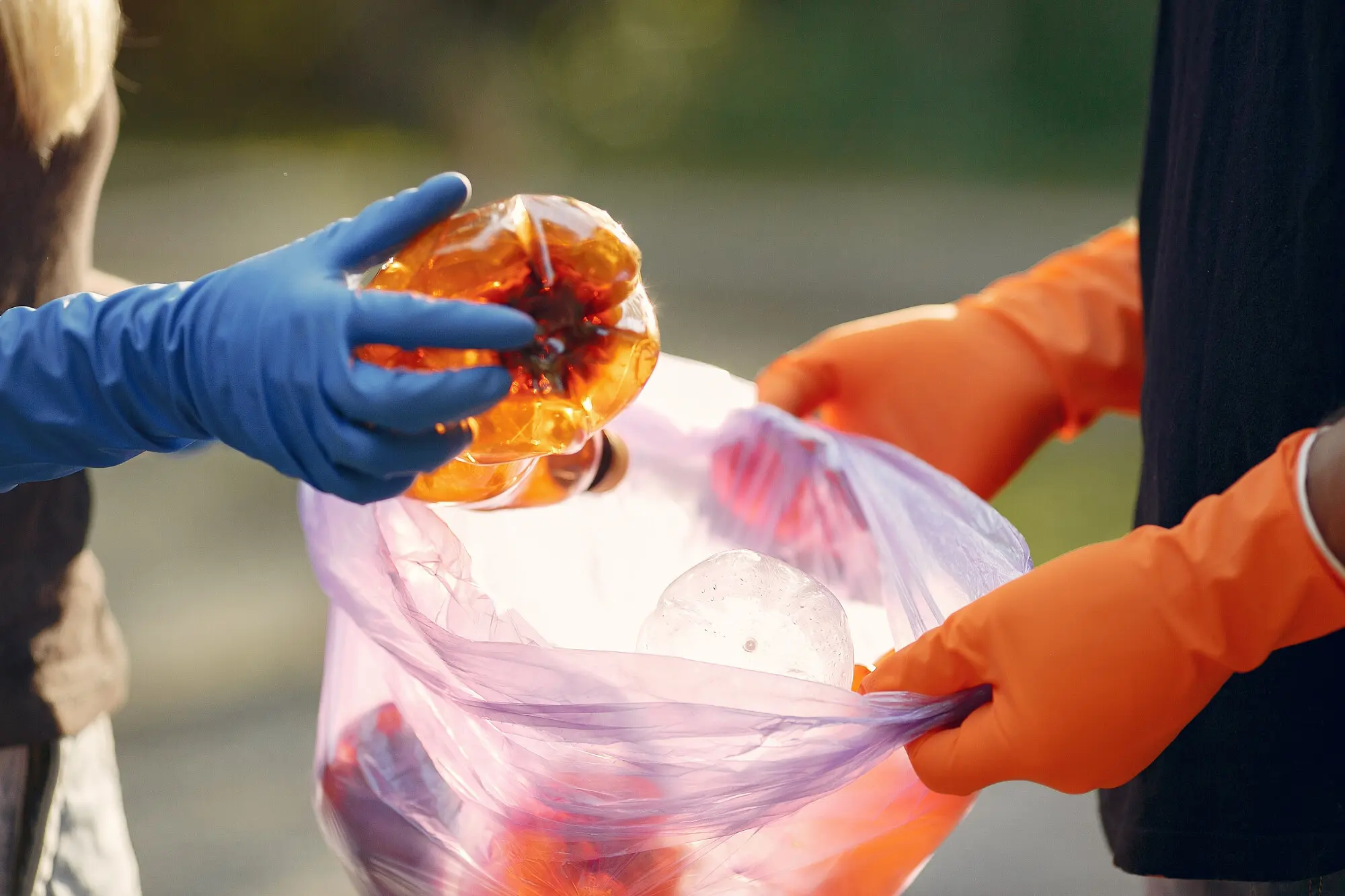
Wind at high lakes turns crumbs into confetti and foil into sails. Stash wrappers before they escape, secure lids, and double-bag anything smelly. Pack out orange peels, tea grounds, and tissue. Leave the bowl-shaped breeze with nothing to scatter but alpine sunlight, laughter carried softly, and your renewed respect.

Quiet Footprints, Quiet Voices

Voices carry over water like flares. Keep conversations gentle, music off, and joyful exclamations brief. Wildlife feeds and mates in the hush you create. Let the pause between words stretch. Share the view with nods, smiles, and a kindness that lingers longer than any echo on the shore.

Courtesies Along Narrow Ridges

On narrow spines and stepped boulders, manners prevent mishaps and resentment. A considerate pause can cool tempers and save ankles. Coordinate with groups, read body language, and greet others warmly. Uphill travelers work harder; accommodate them. Dog leashes, trimmed poles, and unhurried patience turn tight places into surprising moments of community and safety.

Photography Without Scars

Compose from Durable Vantage Points

Scout foot placements before raising the viewfinder. Frame reflections from bedrock, driftwood safely above waterline, or existing overlooks. Avoid bending stems for foreground drama. Patience with light and position rewards you with textures, ripples, and clouds that cost no habitat. If others are waiting, finish kindly, pivot aside, and share the vantage.

About Drones: Law, Wildlife, and Peace

Drones often disturb nesting birds, violate wilderness rules, and fracture the quiet many seek at high lakes. Research regulations, seek permits where allowed, and default to silence. If unsure, leave the aircraft packed. The sky does not need our buzz to feel extraordinary or worth remembering forever.

Golden Hour, Patient Feet

Prime light draws urgency, yet haste tramples margins. Arrive earlier, scout from stone, and let compositions come to you. A longer lens protects distance and preserves intimacy. When the sun finally ignites the bowl, you’ll have the image and the satisfaction of leaving no bruise behind.

Safety That Honors the Landscape

Prepared visitors reduce accidents, and fewer accidents mean fewer helicopter landings, widened shortcuts, and panicked detours across sensitive ground. Bring layers, maps, and humility. Tell someone your plan. Protect water sources and rest where rock holds you. Safety framed this way is stewardship wearing a warm, practical jacket.

Planning for Quiet and Protection

Timing Your Trip for Softer Footprints

Early light finds firmer soils and emptier paths. In late season, freeze-thaw weakens edges; step wider on stone and accept a shorter wander. By matching timing to ground conditions, you exchange a few photos for many saved footprints, which is the kind of arithmetic mountains appreciate.

Rules, Permits, and Distances That Matter

Permits, quotas, and camping setbacks exist to protect fragile shorelines and give wildlife room. Review maps, respect closures, and keep stoves and fires far from water. When rules align with care, enforcement feels like partnership, and your trip unfolds with the relief of shared responsibility.

Travel Light, Travel Together

Park once, share seats, or take a shuttle. Carry less but smarter, choosing repairable gear and reusable containers. Speak up kindly when friends suggest shortcuts. Travel plans that start with cooperation usually end with lighter footprints and lighter moods, which makes every overlook feel more generous and spacious.

Belonging Through Care and Community

Caring becomes belonging when we connect stories to places. Listen for names older than the map, learn protocols before organizing outings, and support local stewardship groups. Trade secrecy for discretion and generosity for clicks. Together we can keep enchantment intact without sacrificing the privacy sensitive waters sometimes urgently require.

Listening to Indigenous Knowledge with Respect

Many alpine waters are part of living cultural landscapes. Seek guidance on appropriate behavior, photography, and gatherings. Pronounce place-names correctly, honor requests to keep locations low-profile, and never disturb offerings. Respect builds trust, and trust opens learning that deepens your visit far beyond any single dazzling reflection.

Volunteer Days and Micro-Restorations

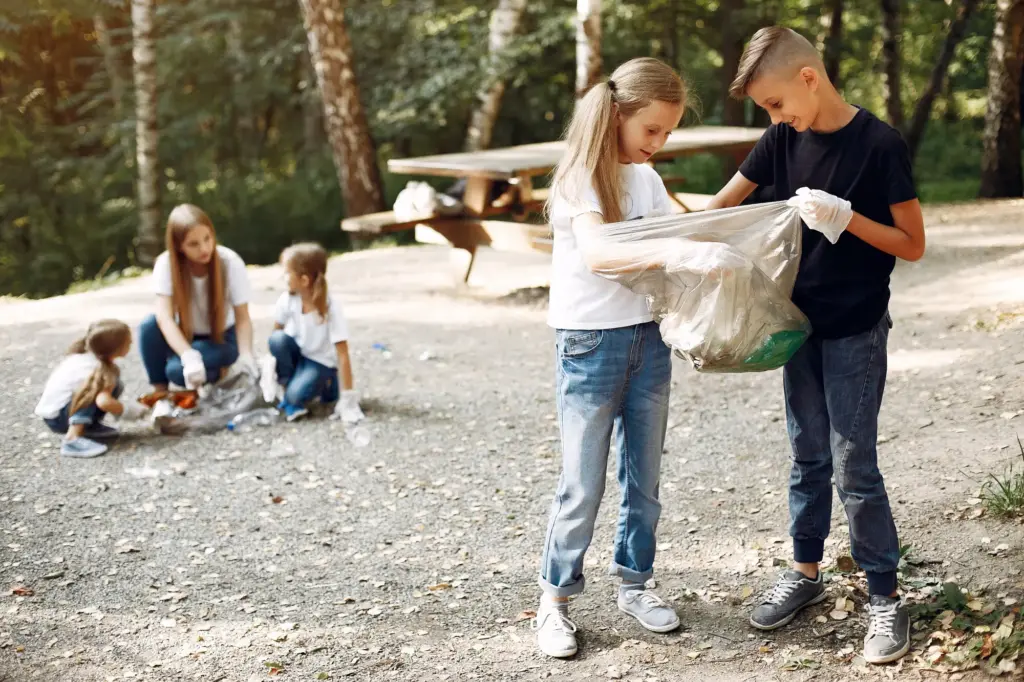
Join volunteers repairing steps, closing braids, and planting natives. Even an hour of brush work or rock placement reshapes flow patterns and protects roots. Share snacks, trade trail jokes, and celebrate tangible progress. Leaving with dirt under fingernails rewires how you walk tomorrow, careful where effort recently healed.

Share Wisdom, Not Exact Pins

In sensitive places, broadcasting exact coordinates can overwhelm a small shore in a single viral weekend. Tell stories about feelings and lessons, not door-to-door directions. Recommend stewardship groups and etiquette resources instead. Protect mystery, reward curiosity, and invite readers to earn the view with patience and thoughtful preparation.
Narinoviveltomori
Privacy Overview

This website uses cookies so that we can provide you with the best user experience possible. Cookie information is stored in your browser and performs functions such as recognising you when you return to our website and helping our team to understand which sections of the website you find most interesting and useful.